 1300 466 398


As Australia moves towards a cleaner, smarter energy future, small and medium enterprises (SMEs) are facing both challenges and opportunities. One of the most important innovations shaping this shift is the rise of smart grid technology. Unlike traditional electricity grids, smart grids use advanced digital communications, monitoring, and control systems to create a more flexible, efficient, and resilient energy network.
For commercial businesses, this means more than just a reliable power supply. It’s about unlocking cost savings, improving operational efficiency, and preparing for a future where energy downtime and waste can be avoided.
What is a Smart Grid?
Traditional electricity grids have always worked in one direction: energy flows from centralised power plants to homes and businesses. A smart grid operates differently. It uses two-way communication and real-time data to balance supply and demand, integrate renewable energy, and provide greater visibility of energy usage.
Australia is already making progress. South Australia is leading the way with some of the most advanced smart grid initiatives in the world, and over the next decade, this model will expand nationally. For businesses, this means preparing now to stay competitive.
Key Benefits for Businesses
1. Reduce Energy Costs
Smart grids give businesses greater visibility of their energy consumption in real time. This allows for strategies like load shifting, where energy-intensive tasks can be moved to cheaper off-peak times, or demand management, where businesses reduce usage during high-cost periods. By aligning operations with grid efficiency, SMEs can take advantage of lower rates and reduce their bills.
2. Enhance Supply Chain Efficiency
For industries such as manufacturing and logistics, energy reliability directly affects productivity. Installing an internal smart grid can provide detailed insights into energy use across processes, helping businesses identify inefficiencies and optimise operations. They also enable predictive maintenance, reducing costly downtime caused by unexpected energy issues.
3. Prepare for Energy Downtime
Power disruptions are a serious risk for any business. Traditional grids often struggle with sudden changes in supply or demand, but smart grids can automatically reroute power and restore supply faster in the event of outages or natural disasters. For SMEs, this resilience means fewer interruptions and better continuity of service.
Smart Grids and the Renewable Transition
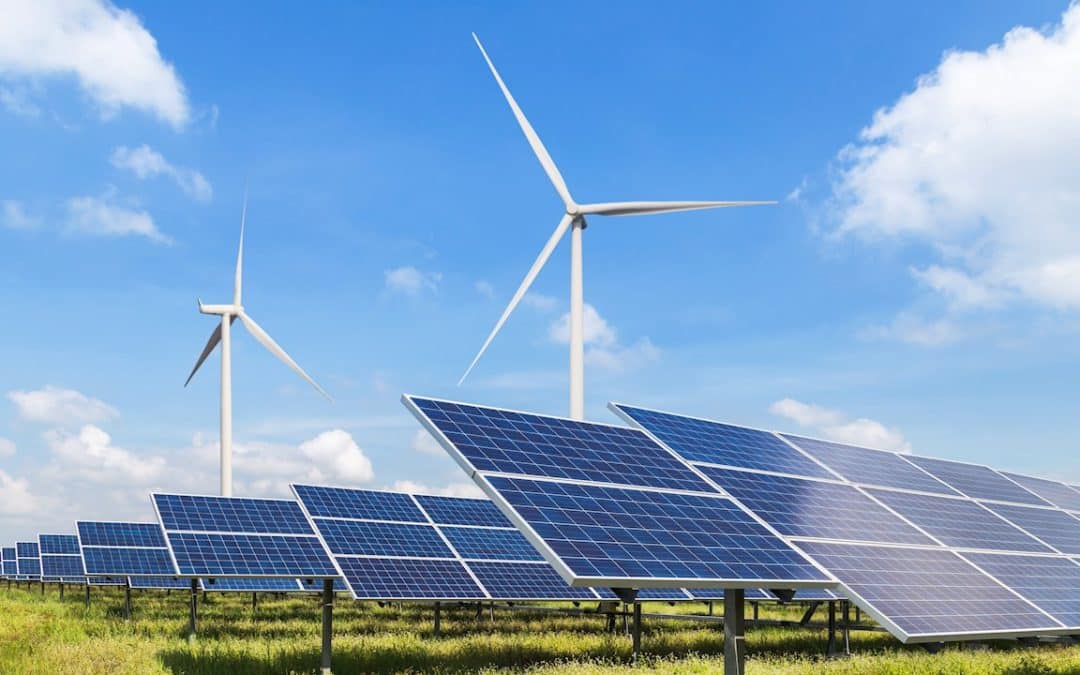
Another major advantage of smart grids is their role in supporting renewable energy integration. With Australia’s push towards 95% renewable electricity by 2035, businesses that adopt smart energy management tools will be best placed to benefit. Smart grids allow you to maximise the use of on-site solar, battery storage, and even electric vehicle charging infrastructure, ensuring your business is ready for the future energy landscape.
Why This Matters for SMEs
SMEs make up over 97% of Australian businesses (ABS, 2024), and energy is often one of their largest overheads. By engaging with the shift to smart grids, businesses can:
- Lower costs through smarter demand management.
- Improve sustainability credentials and meet ESG expectations.
- Gain resilience in the face of energy market volatility.
Getting Started
At Next Business Energy, we help SMEs prepare for the energy transition. From smart meters, solar systems and batteries and monitoring tools to tailored energy plans aligned with business hours, we can show you how to take advantage of smarter grid opportunities while reducing your costs today.
Start your energy strategy with us: nextbusinessenergy.com.au