 1300 466 398


Australian businesses are under constant pressure to manage rising operational costs while also meeting growing sustainability expectations. One of the most effective ways to achieve both is by adopting energy-efficient technologies. For commercial operations, these tools can improve day-to-day performance, reduce unnecessary energy spend, and even extend the life of assets.
This article explores some of the leading technologies reshaping energy use across commercial sectors in 2025 and why businesses should pay attention.
Smart Technologies and Building Automation
Smart technologies use real-time data from sensors to optimise energy usage without the need for constant human input. A familiar example is a smart thermostat, which automatically adjusts heating or cooling based on room temperature.
Today, sensors can be embedded across entire building systems, from lighting to HVAC to refrigeration. When connected to a Building Automation System (BAS), they can predict occupancy patterns, control temperature settings, and reduce lighting when spaces are not in use.
The result is a workplace that adjusts itself to actual demand, cutting unnecessary consumption and improving employee comfort at the same time.
Energy Management Systems (EMS)
For multi-site operators, simply installing smart technology is not enough. The next step is connecting these assets to an Energy Management System (EMS).
Think of an EMS as the brain of a building portfolio. It collects information from smart meters and sensors, processes it in a central system, and presents insights through dashboards and monitoring tools. This makes it easier to:
- Identify inefficiencies across multiple sites
- Track usage patterns and spot anomalies quickly
- Benchmark facilities against one another
- Inform procurement strategies with real-time data
By consolidating energy data into one view, commercial operators can make informed, data-driven decisions that translate directly into cost savings.
Power Factor Correction (PFC)
Businesses that rely on heavy, motorised machinery, such as manufacturing, logistics, and large-scale food production, often face high demand charges on their energy bills. This is where PFC becomes valuable.
PFC reduces “reactive power”, the wasted energy drawn by motors to create magnetic fields. While reactive power doesn’t directly contribute to output, it inflates demand charges from the network. Installing capacitor banks or PFC equipment allows businesses to generate this reactive power themselves, cutting waste and reducing costs.
The Australian Energy Regulator (AER) has noted that demand charges can account for up to 30–50% of some commercial energy bills, making PFC a particularly effective investment for energy-intensive industries.
Complementary Technologies
While advanced systems like BAS and EMS are powerful, businesses should not overlook proven efficiency solutions, including:
- LED lighting upgrades: LEDs use up to 75% less energy than traditional lighting and can last up to 10 times longer.
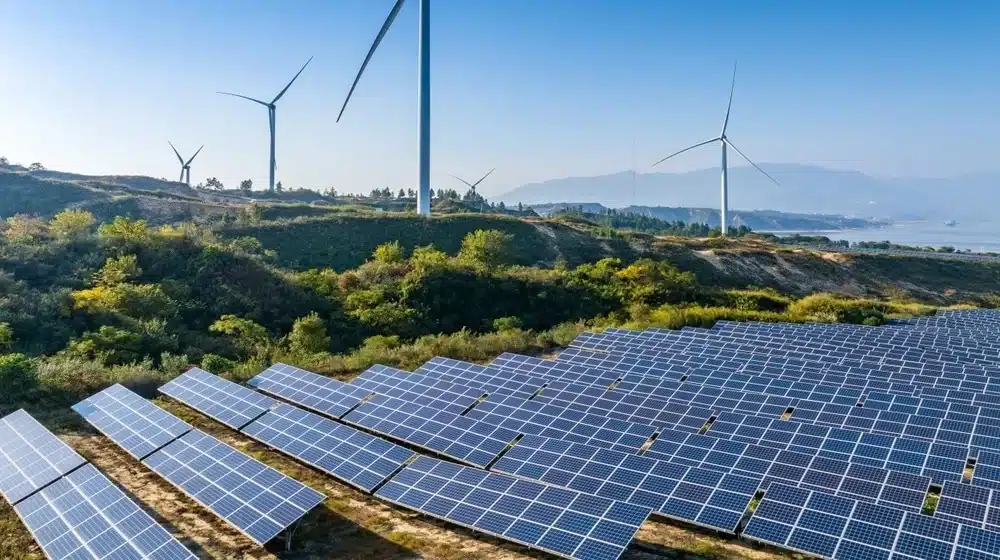
- Solar PV systems: Onsite solar remains a popular way for Australian SMEs to hedge against volatile energy prices.
- Improved insulation and double glazing: Simple but effective measures for reducing heating and cooling loads in large buildings.
When layered with smart technologies, these solutions amplify both savings and sustainability outcomes.
The Business Case for Energy-Efficient Technologies
The true value of energy-efficient technologies lies in combining them with a data-driven energy procurement strategy. Reducing consumption is only half the equation, securing competitive energy rates ensures that every kilowatt hour used is optimised.
For commercial operators, the benefits include:
- Lower energy bills through efficiency gains
- Reduced demand charges and network costs
- Improved equipment performance and lifespan
- Stronger compliance with sustainability frameworks and reporting obligations
- Enhanced brand reputation as a business taking climate goals seriously
Energy-efficient technologies are no longer niche or optional. For Australian businesses in 2025, they are essential tools for cost control, operational resilience, and meeting customer and regulatory expectations.
At Next Business Energy, we help SMEs and commercial operators identify the right technologies and strategies to unlock these savings.
To learn how your business can benefit, visit Next Business Energy or call 1300 208 966 to speak with our team.