 1300 466 398



Each year, the Australian Energy Regulator (AER) releases its State of the Energy Market report, a deep dive into the performance of our electricity and gas systems. The 2025 edition, published in late August, pulls together data and insights from 2024 to give industry, government, and consumers a clearer view of where the market is heading.
This year’s report makes one thing very clear: Australia’s energy market is changing rapidly. From the growth of renewables to new technology in homes and businesses, and from pricing volatility to reforms aimed at protecting vulnerable customers, the sector is in the middle of a major transformation.
The big picture: a system in transition
The report highlights Australia’s steady shift away from coal and gas towards renewable generation. Wind, solar, hydro, and battery storage are playing an increasingly central role in the National Electricity Market (NEM). By 2050, renewables are forecast to make up 88% of capacity.
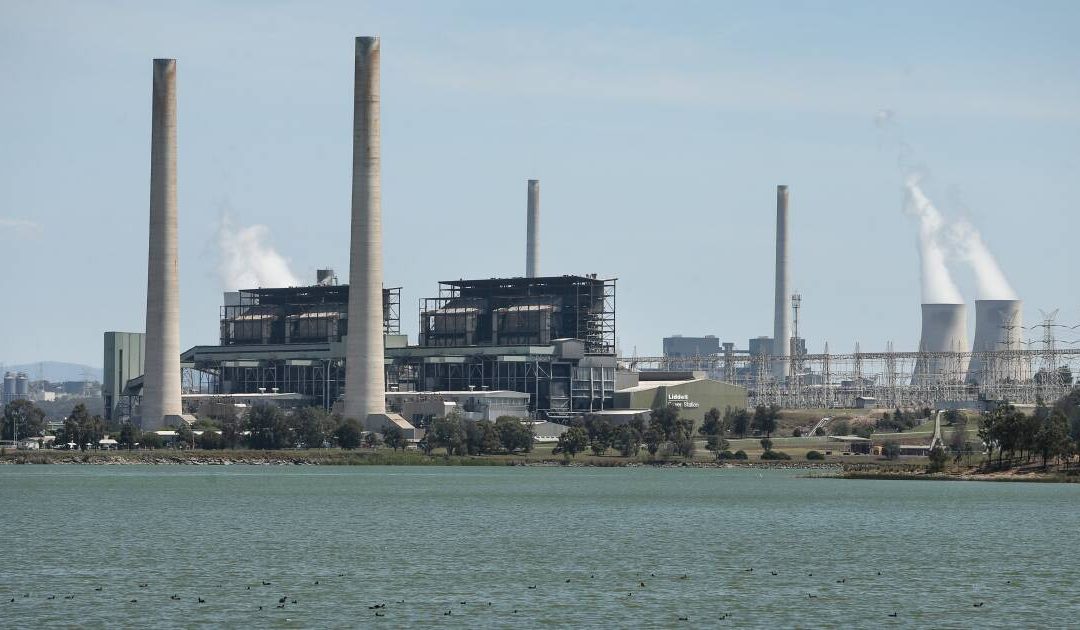
Coal plants are continuing to retire, with limited new investment in fossil fuel generation. Gas remains important as a firming fuel, but the long-term direction is clear: cleaner energy is replacing older, more emissions-intensive sources.
The rise of consumer energy resources (CER), such as rooftop solar, home batteries, and electric vehicles, is another defining trend. These technologies are no longer just fringe add-ons; they’re becoming key pieces of the energy puzzle. When coordinated, CER has the potential to meet a significant share of future demand.
Managing demand and reliability
Electrification is reshaping how energy is used. Transport, industry, and households are steadily moving towards electricity as their main energy source. Grid consumption is forecast to grow by more than 100% by 2050. While efficiency improvements and self-generation will offset some of that growth, the overall increase is substantial.
This creates challenges for reliability and grid integration. The report points to congestion on transmission lines, the need for new interconnectors, and the critical role of large-scale storage in smoothing out renewable variability. Investment in infrastructure is essential if the system is to remain stable while decarbonising.
Price trends and affordability
One of the most closely watched sections of the AER’s report is pricing. Wholesale electricity prices remain volatile, heavily influenced by renewable output and demand swings. Gas prices, meanwhile, continue to be tied to international markets, leading to uncertainty at home.
For households and small businesses, affordability remains a concern. Energy still accounts for a relatively modest share of average incomes, but the burden is much heavier for low-income households. Government measures such as the Energy Bill Relief Fund, rebates, and concessions have helped ease pressure, but rising debt levels show the challenge is far from solved.
What’s happening in the retail market
The retail chapter of the report provides useful details on how energy companies are interacting with customers. Some of the key trends include:
- Consumer energy resources: More than 3.5 million rooftop solar systems are now installed across the NEM, with battery uptake climbing thanks to falling costs and state-based incentives. EVs are beginning to play a role as mobile storage through bidirectional charging.
- Hardship and debt: Around 1.6% of electricity customers and 1.2% of gas customers are on hardship programs. Average debt levels are rising, though fewer people are on payment plans thanks in part to government rebates. Strengthened consumer protections aim to ensure disconnection remains a last resort.
- Complaints: Customer complaints rose by 17% over the year, with billing, pricing, and affordability the main drivers. Issues with smart meters are also emerging as rollout accelerates.
Reforms and protections
The energy market is not just changing technologically — it’s evolving through new rules and reforms. The AER notes several important developments:
- A Towards Energy Equity Strategy aimed at improving outcomes for vulnerable customers.
- Updates to the National Energy Customer Framework (NECF) to cover emerging services like virtual power plants.
- The Better Energy Customer Experience Reform Program, introduced in March 2025, was introduced to protect consumers during the transition.
- A rule change, due to take effect in July 2026, that will cap price increases to once per year, ban certain fees for vulnerable customers, and ensure hardship program participants get the best available offers.
- Compliance and enforcement priorities targeting overcharging, life support obligations, and smart meter rollout failures.
Looking ahead
The future outlook is clear: Australia’s energy system is moving towards net zero by 2050. That means more renewables, more electrification, and more reliance on flexible resources like batteries and smart appliances. It also means greater attention to affordability, consumer protections, and equitable access to energy services.
The State of the Energy Market 2025 shows both progress and challenges. On one hand, investment in clean energy is accelerating, and innovation is reshaping how consumers engage with the market. On the other, price volatility, energy debt, and the complexity of managing a transitioning grid remain pressing issues.
For businesses, policymakers, and consumers, the report is a valuable resource. It captures the scale of Australia’s energy transition and the practical realities of keeping the lights on while cutting emissions. The message is consistent: the market is evolving fast, and staying informed is essential.
You can read the full State of the Energy Market 2025 report here: AER – State of the Energy Market 2025